
Xenu
Get the font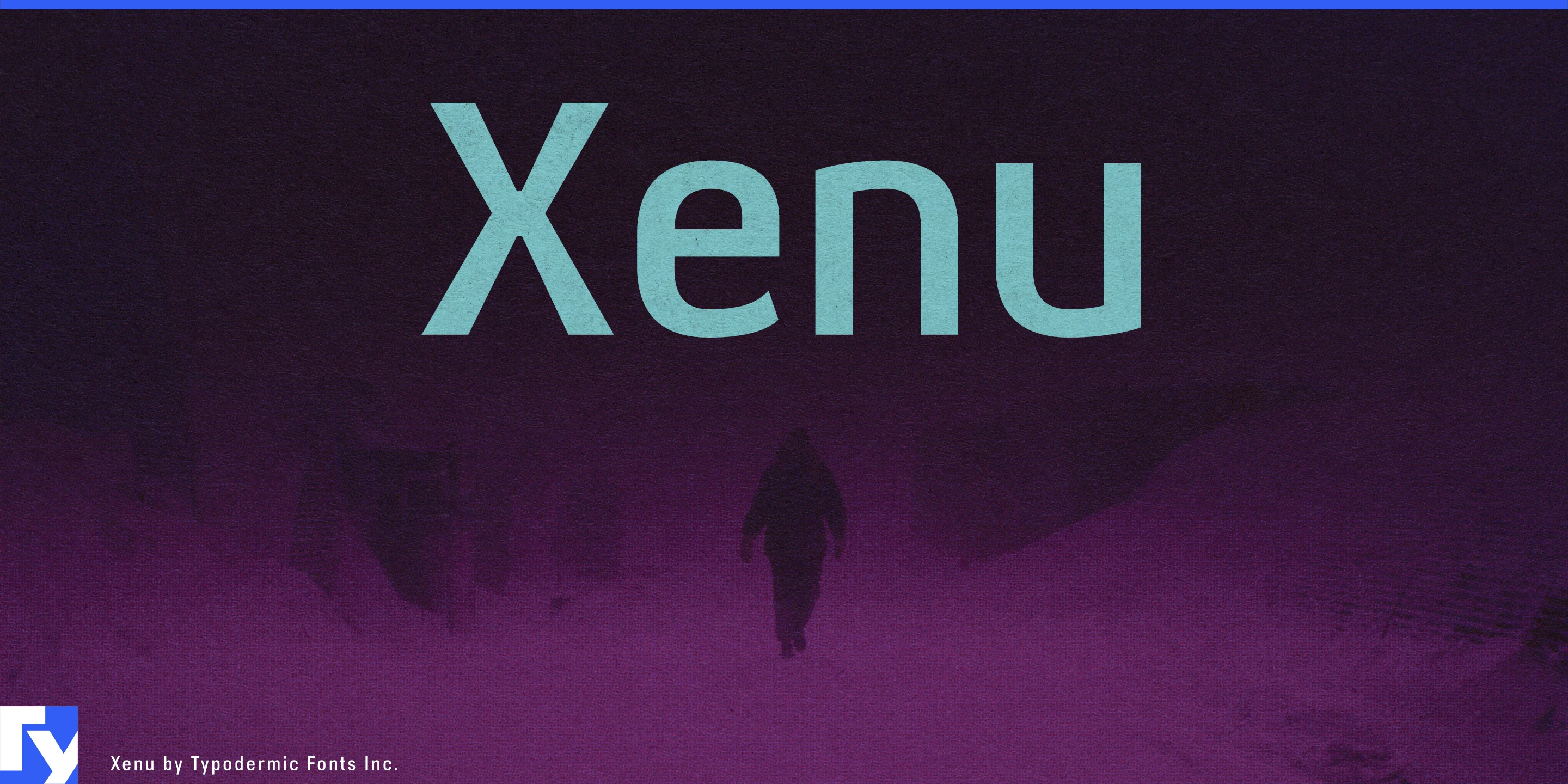
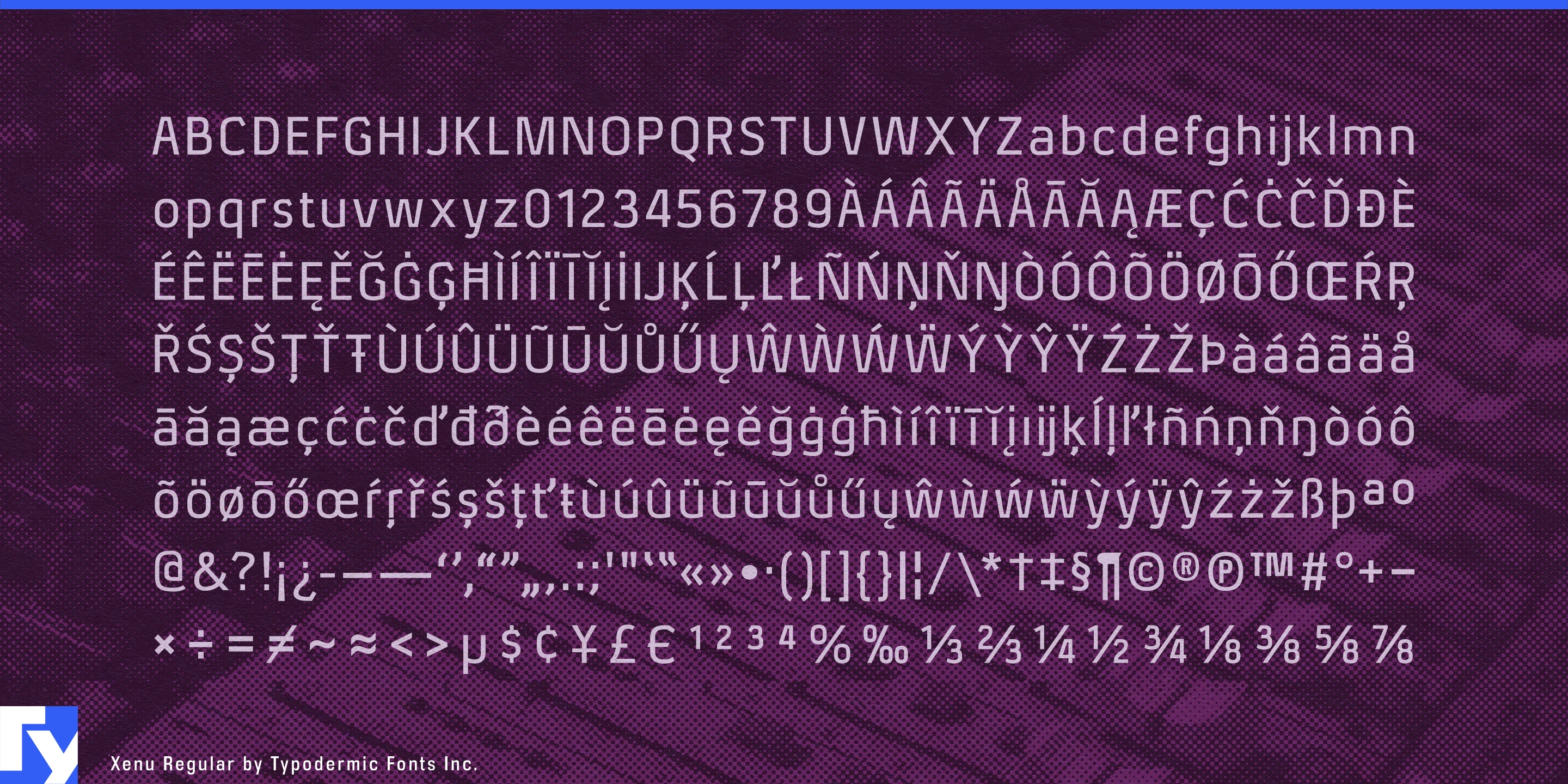
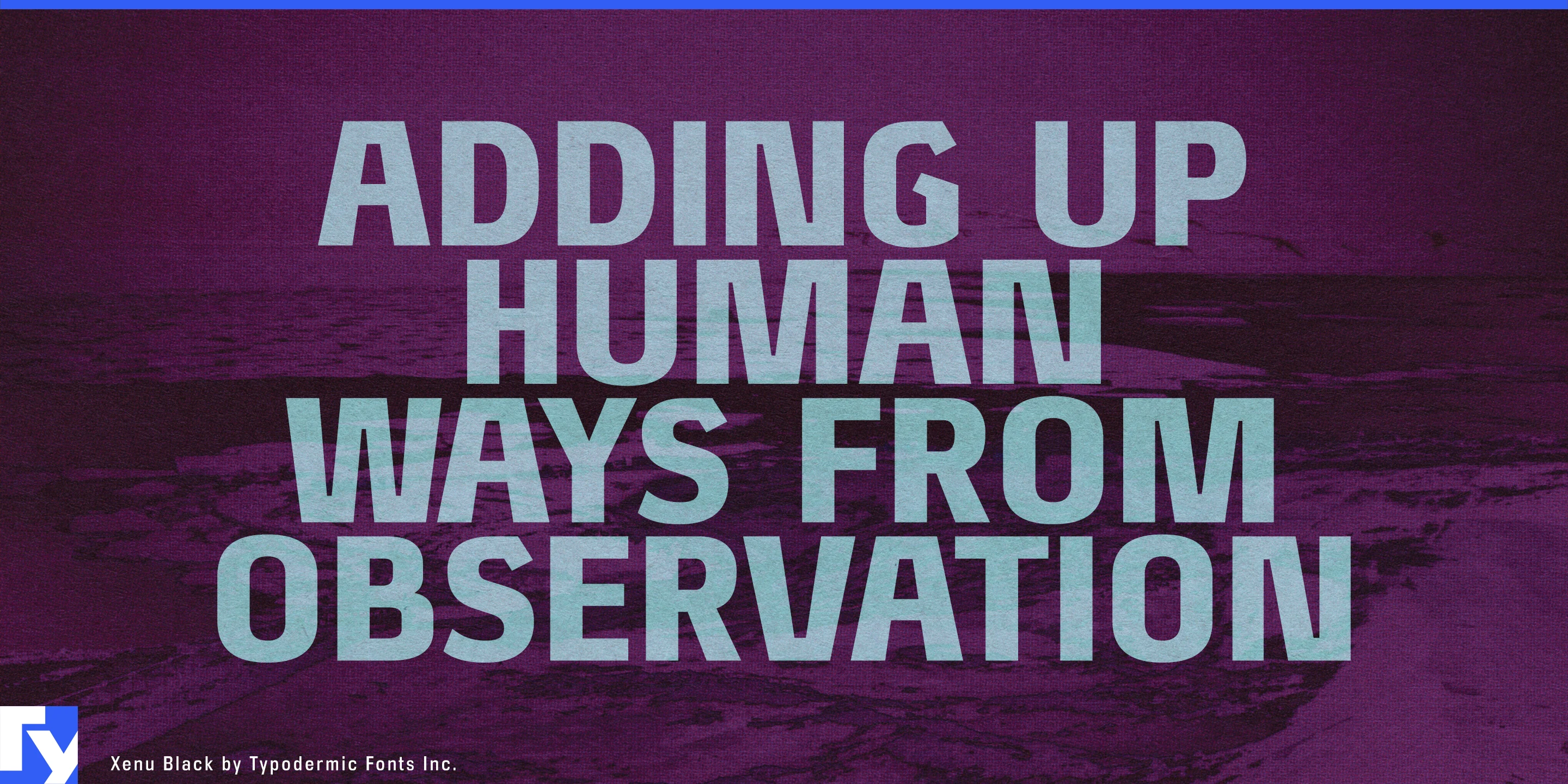
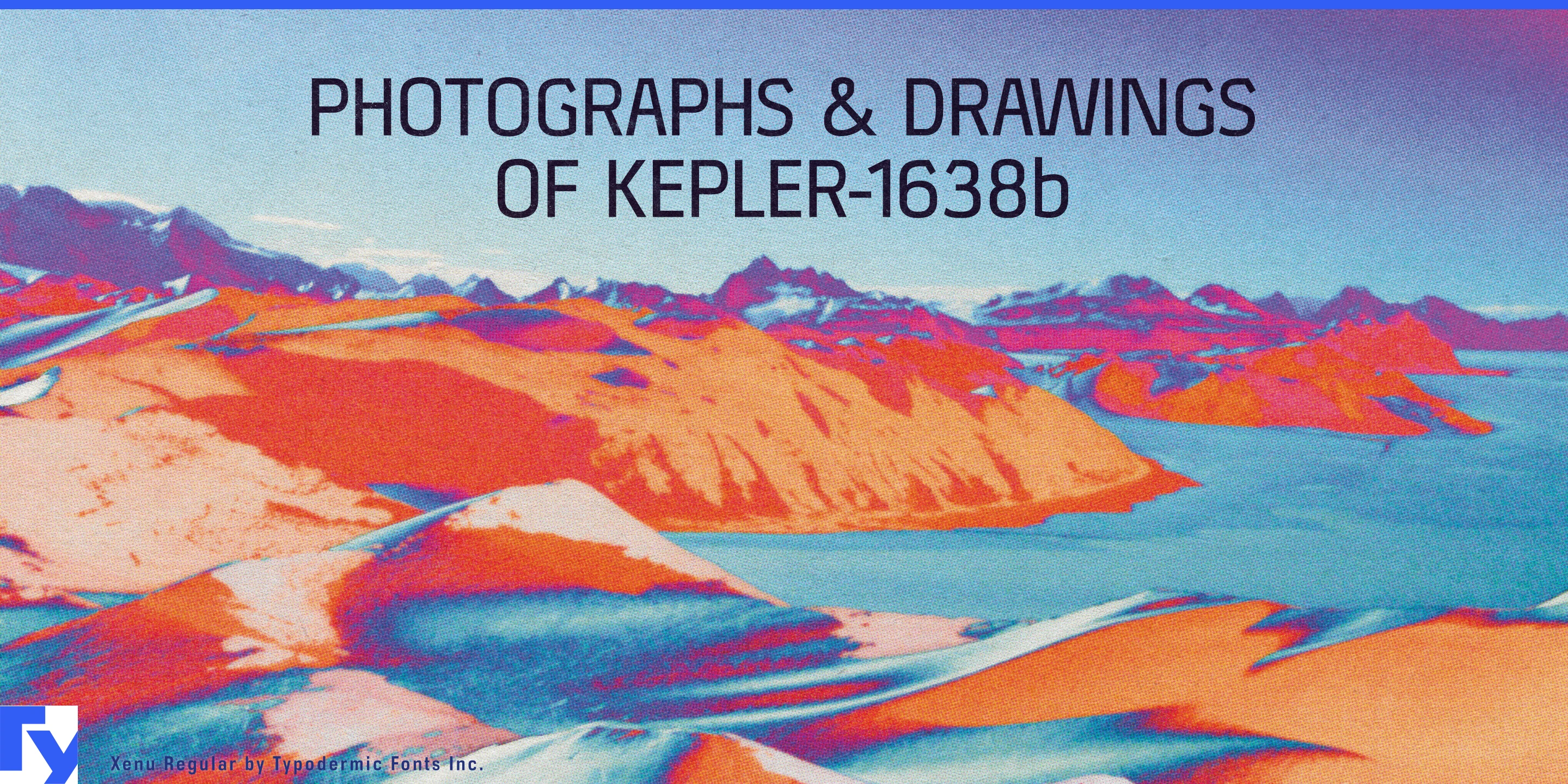
Engineered products rarely live on one surface. A piece of equipment may need a name on its enclosure, identifiers across modules and cabinets, headings on an operator display, labels in diagrams, maintenance instructions, specification sheets, and launch graphics. Neutral interface typography can handle the information but leave the product identity anonymous; an overtly futuristic display face may look convincing on the machine and awkward everywhere else.
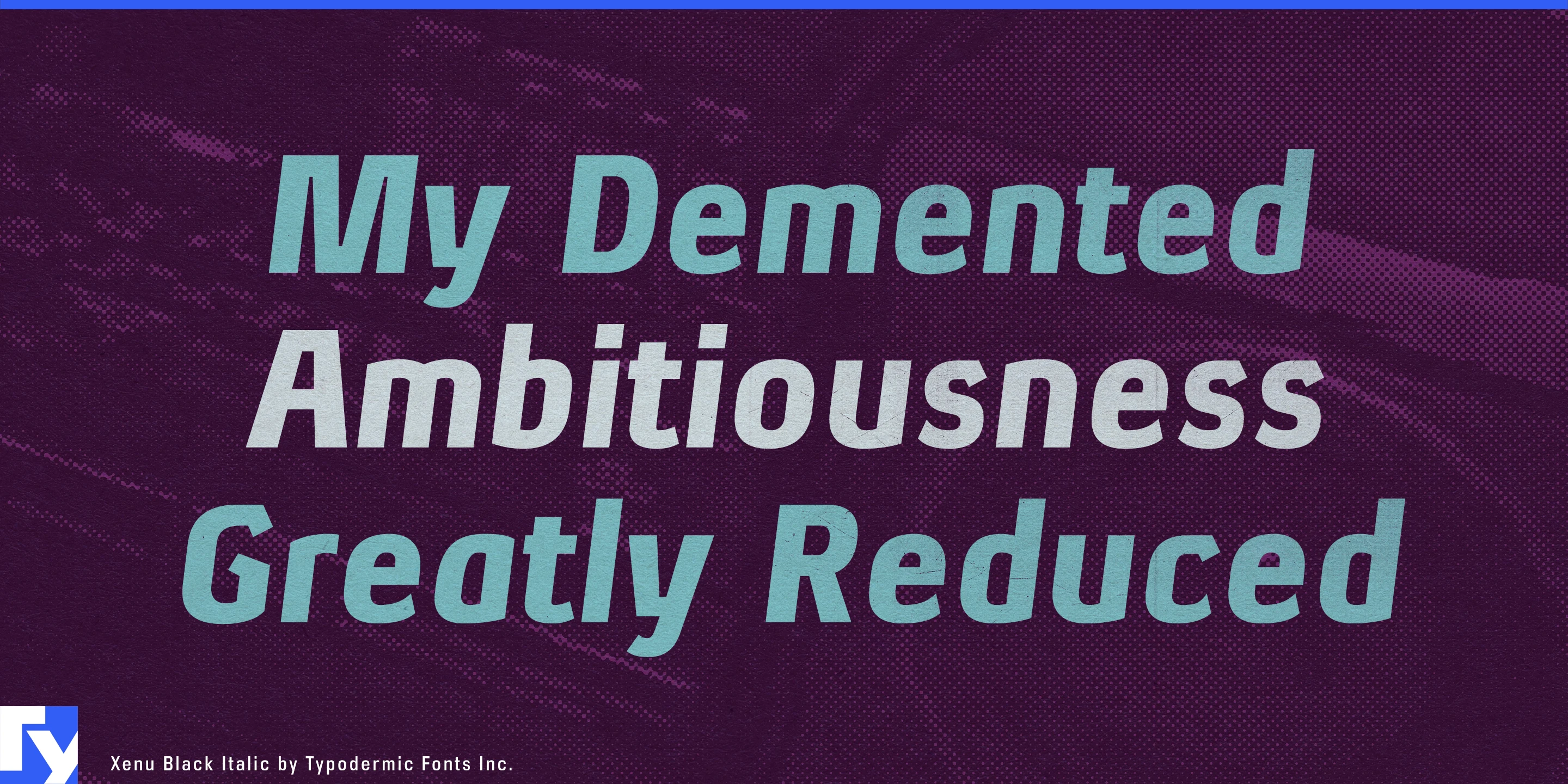
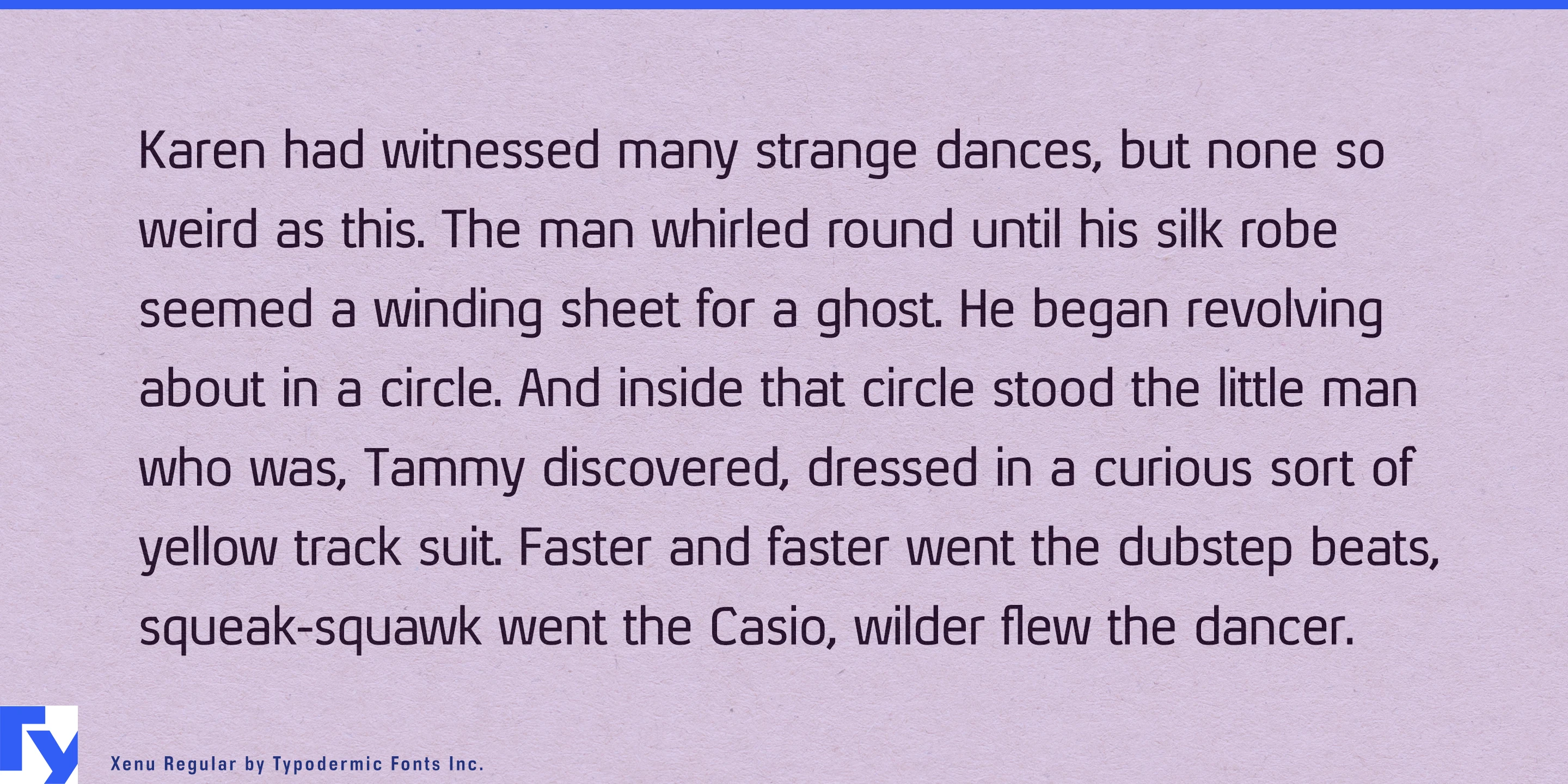
Xenu is built for the space between those extremes. Its compact geometric forms, upright proportions, sharp terminals, and constructed rhythm give technical information a recognizable visual character without making every label look like a title sequence. Mixed-case text remains practical for instructions and supporting copy, while the heavier styles can carry equipment families, platform names, and exhibition graphics.
Grid-scale battery storage and power electronics are a particularly strong fit. Battery-energy-storage containers, inverter families, power-conversion systems, switchgear cabinets, battery racks, and substation modules all generate layers of typography beyond the product name itself. Xenu can move from enclosure markings and module identifiers into monitoring dashboards, commissioning diagrams, specification sheets, and service documentation while keeping the system visually related.
The same advantage applies to the infrastructure surrounding high-density AI computing. Liquid-cooling systems, cooling distribution units, rack manifolds, UPS equipment, power-distribution hardware, transformers, and monitoring systems need model names and cabinet labels as well as control-screen headings, installation diagrams, and maintenance material. Xenu gives those different surfaces an engineered tone without depending on decorative circuit-board or science-fiction conventions.
Semiconductor manufacturing equipment creates an even denser information environment. Wafer-processing tools, inspection systems, metrology equipment, advanced-packaging machinery, and cleanroom modules require equipment-family names, station identifiers, control panels, process diagrams, maintenance instructions, and technical presentation graphics. Xenu is compact enough for real hardware and structured enough to make operational typography feel like part of the machine rather than an unrelated layer added afterward.
Industrial automation and machine vision extend the same role into factory systems. Vision controllers, sensor modules, robotic cells, PLC equipment, inspection stations, industrial edge-computing hardware, and automated material-handling systems all rely on short technical labels and repeated information hierarchies. Xenu can handle controller names, calibration screens, equipment labels, wiring diagrams, and service graphics without turning routine information into a display effect.
Scientific and field instrumentation offer another natural setting. Lidar systems, spectrometers, surveying equipment, environmental monitors, remote-sensing hardware, and laboratory instruments need names, control labels, data-display headings, field-case markings, and technical documentation. Xenu can maintain a consistent technical character across those roles while remaining restrained enough for information that has to be read rather than merely noticed.
Get Xenu
Desktop licenses cover print, logos, and static graphics. MyFonts also offers embedding licenses for websites, e-books, and applications. Embedding licenses
Commercial font facts
Family details
- First released
- 2006
- Styles
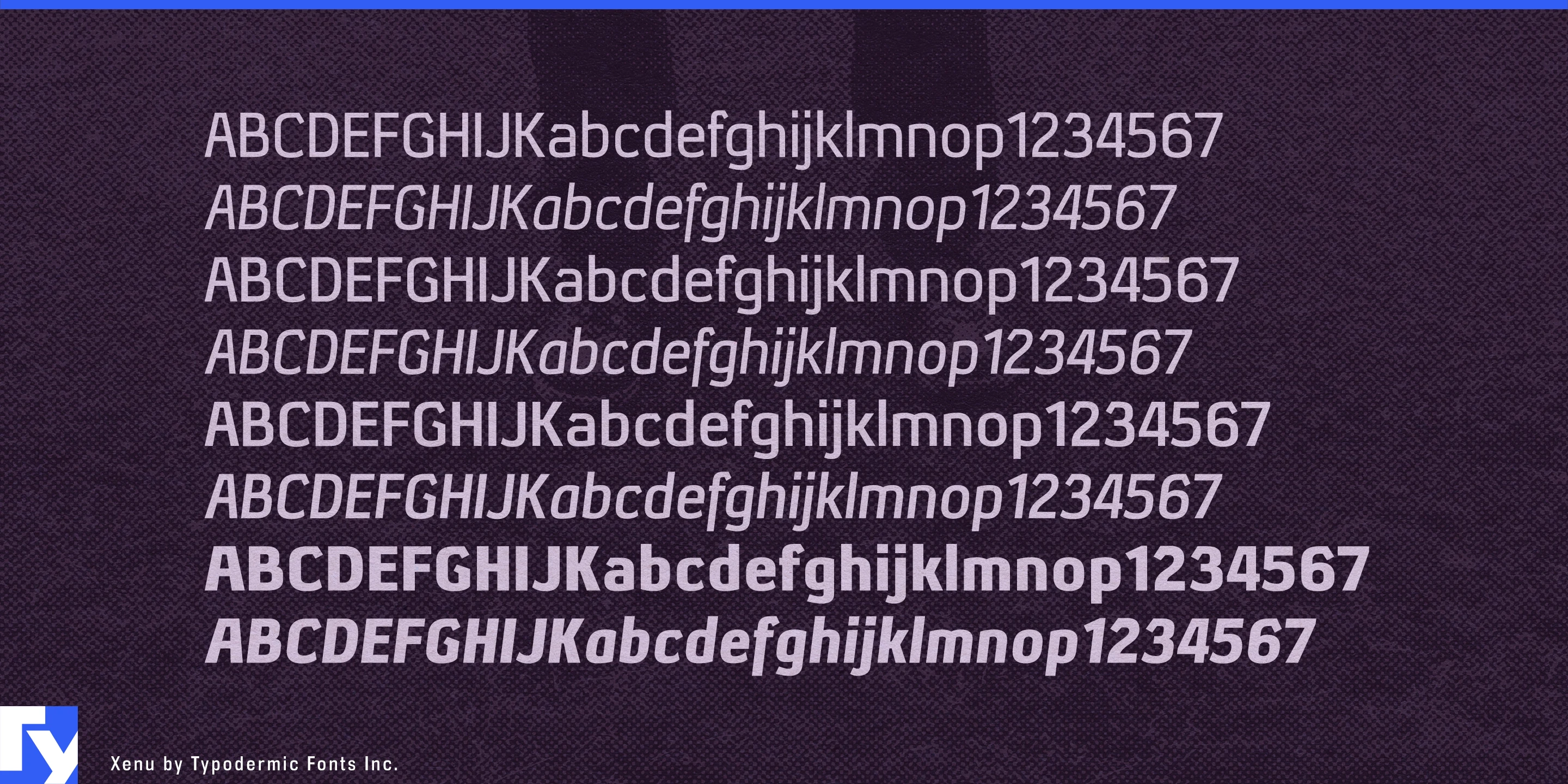
- 8 styles
- Version
- 1.206
- Formats
- OTF
- Class
- Sans serif
- Form
- Geometric
- Case
- Mixed case
- Scripts
- Latin
- Role
- Display
Commercial style names (8)
- Regular
- Italic
- Semi-Bold
- Semi-Bold Italic
- Bold
- Bold Italic
- Black
- Black Italic