
Glyxonite
Get the font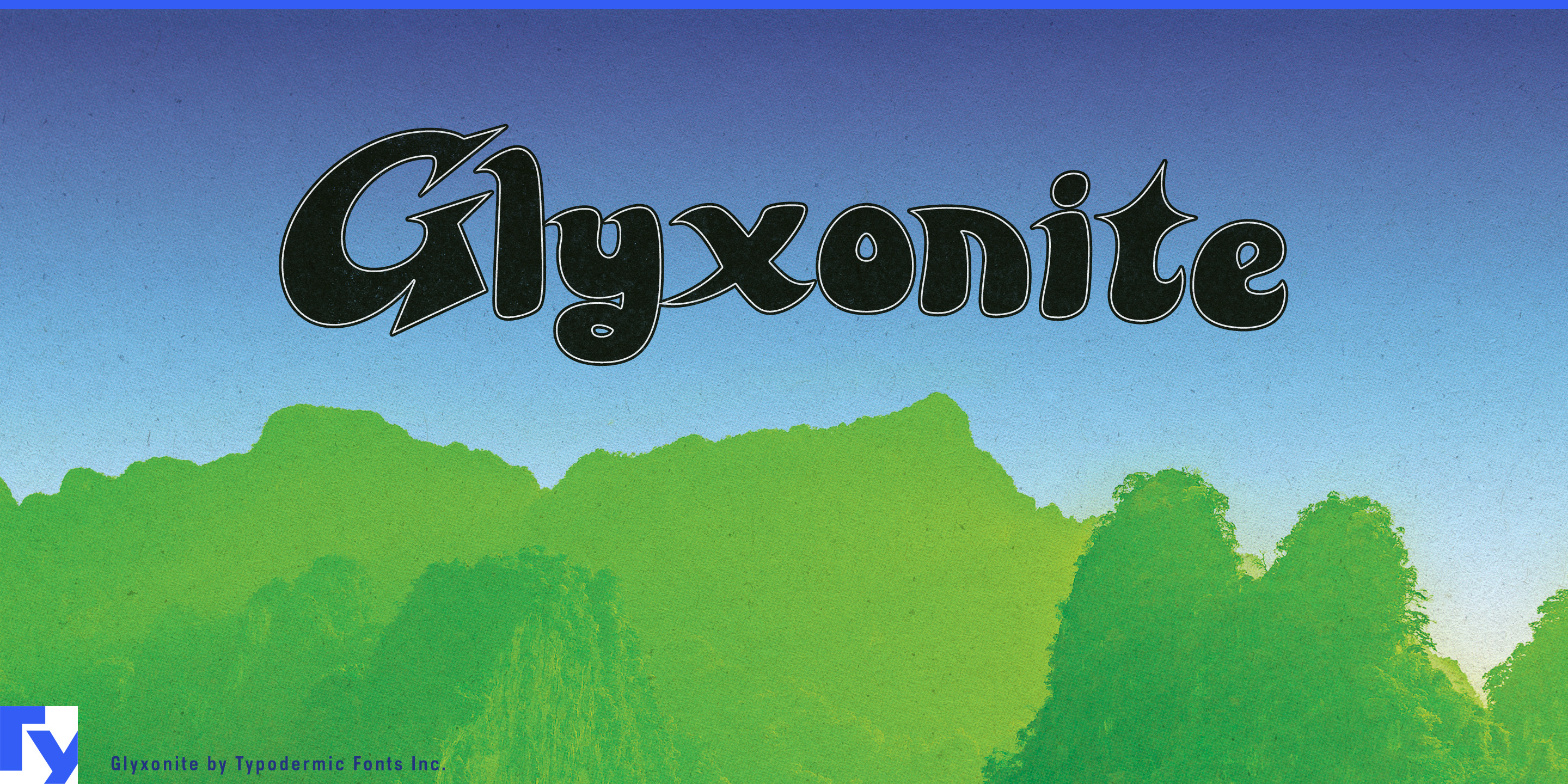
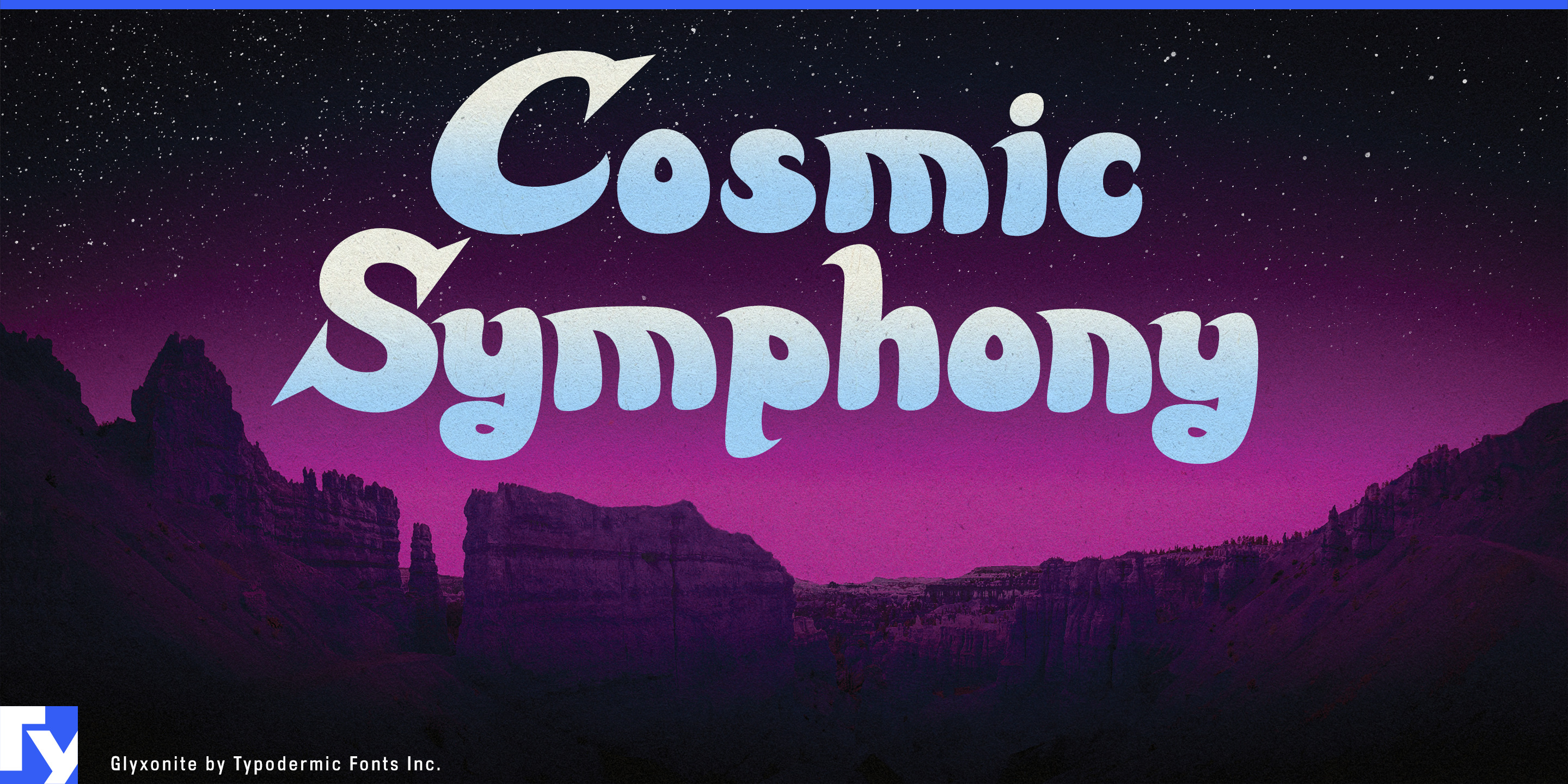
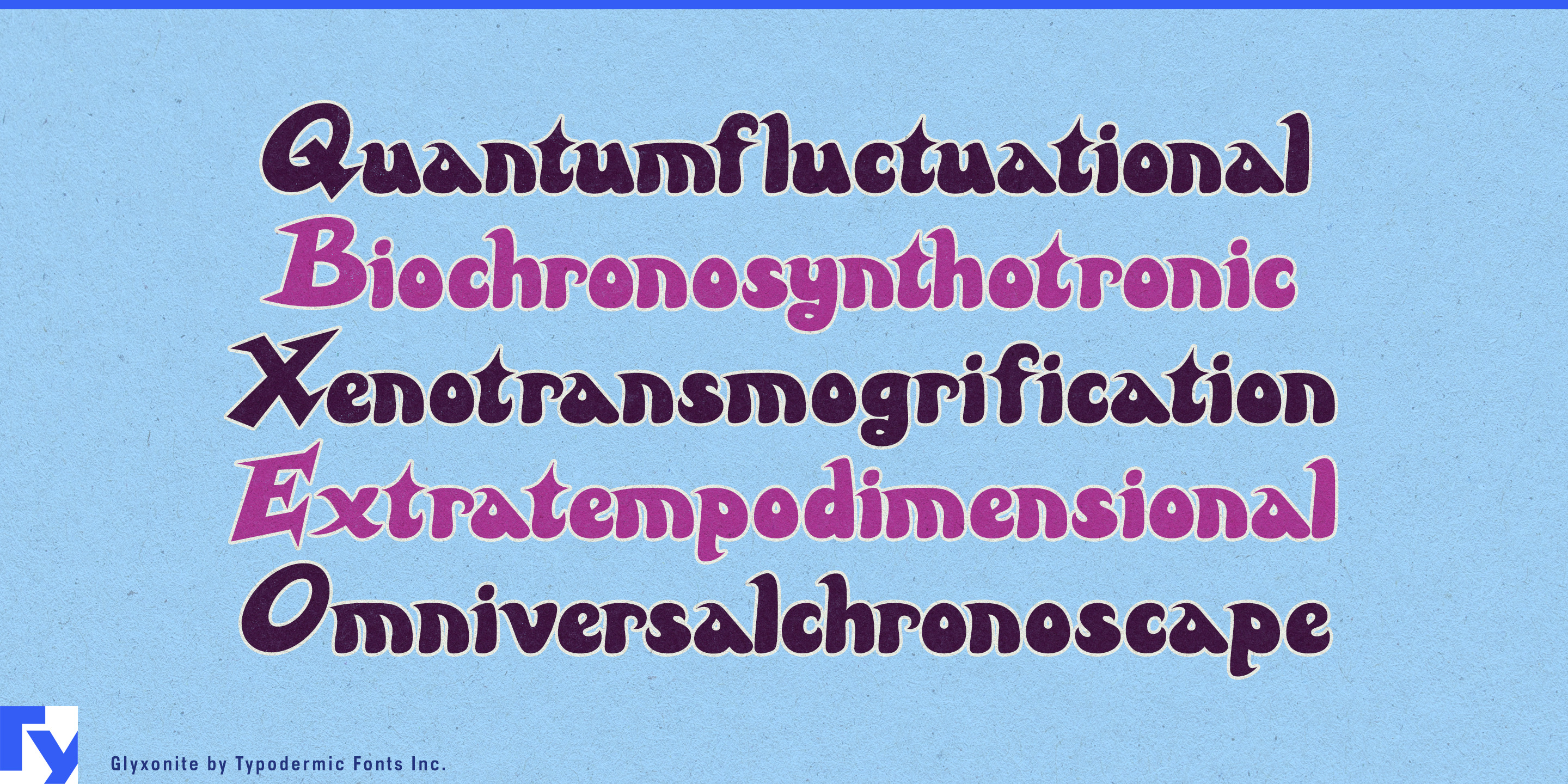
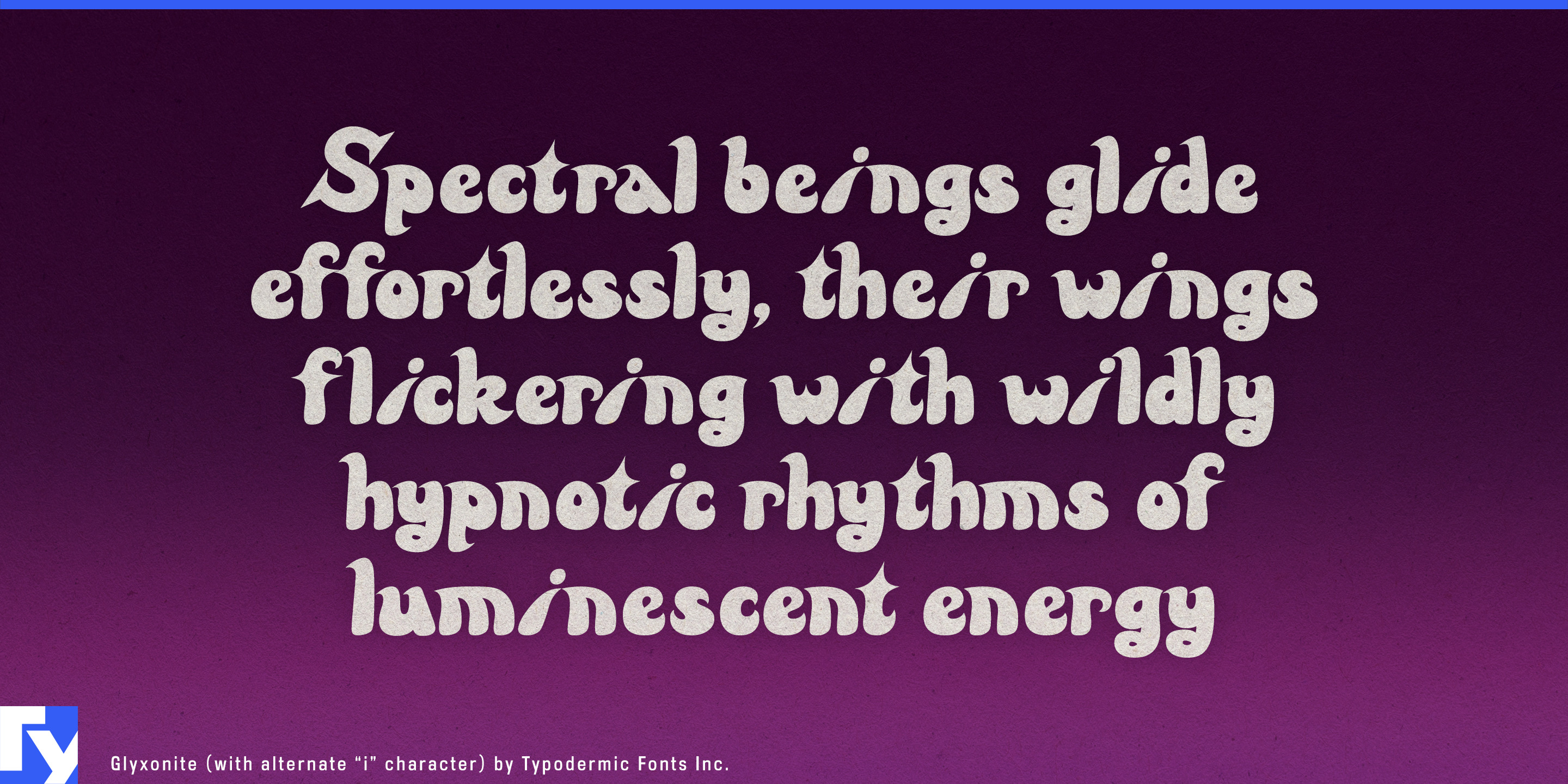
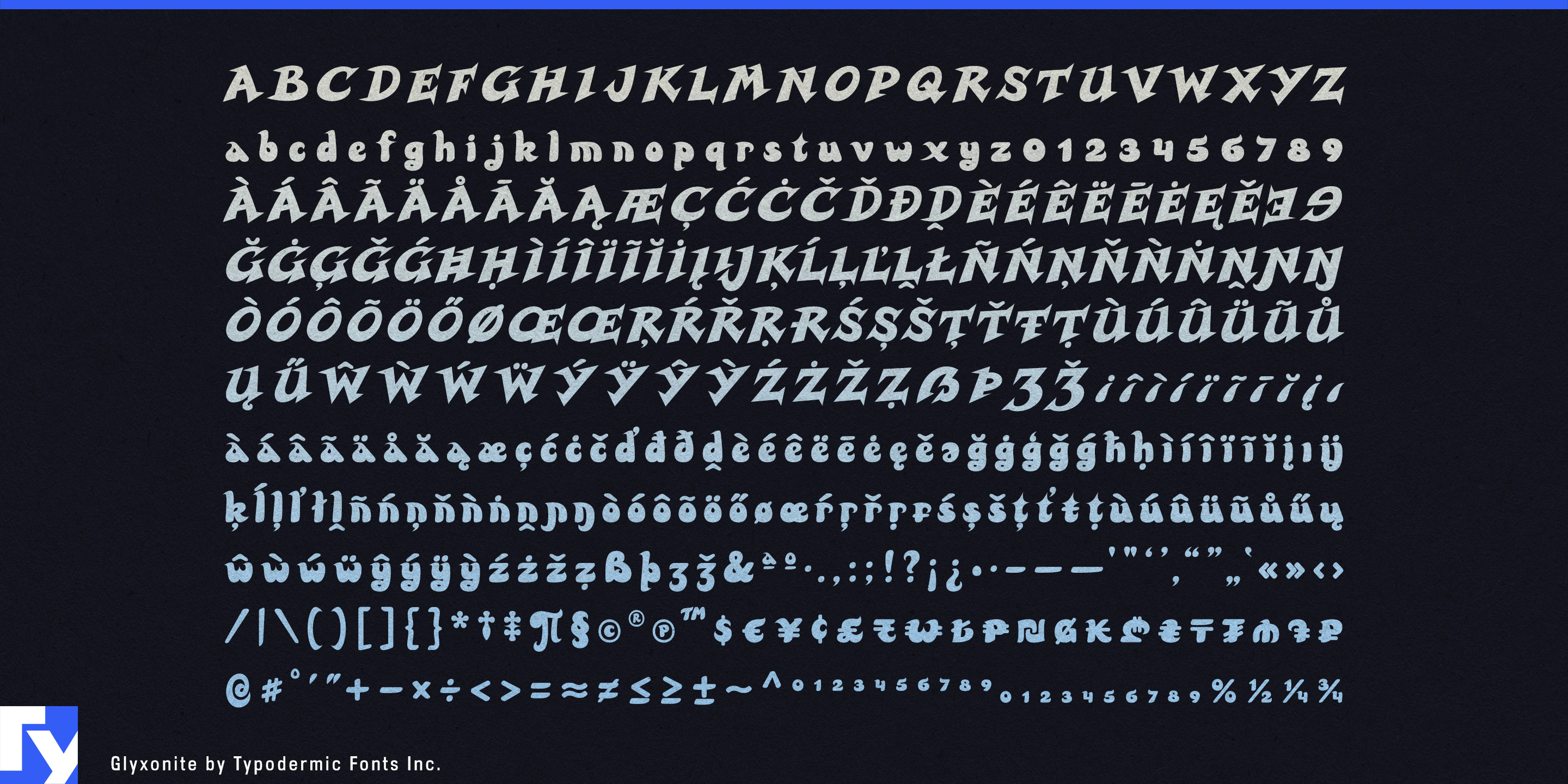
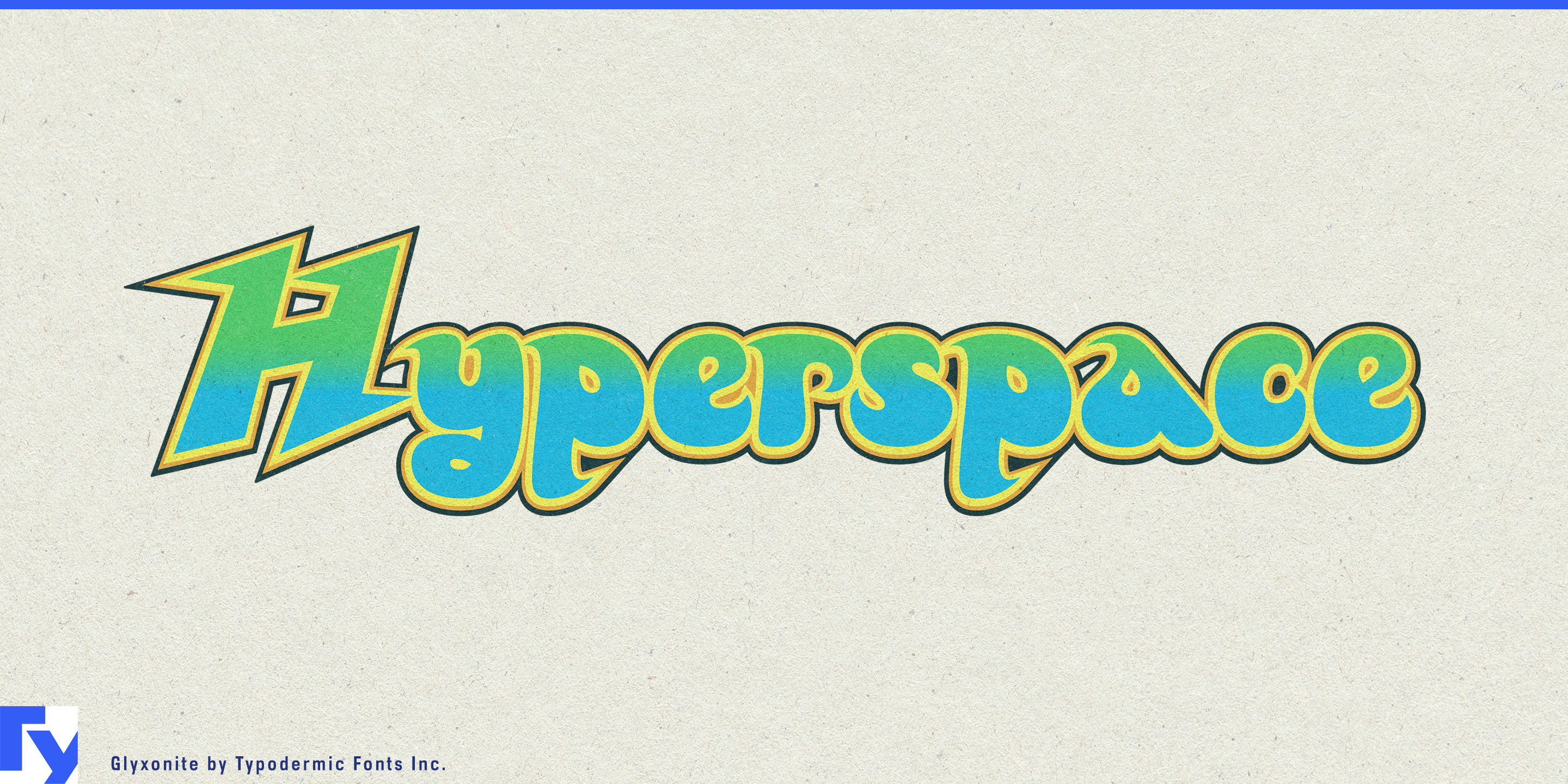
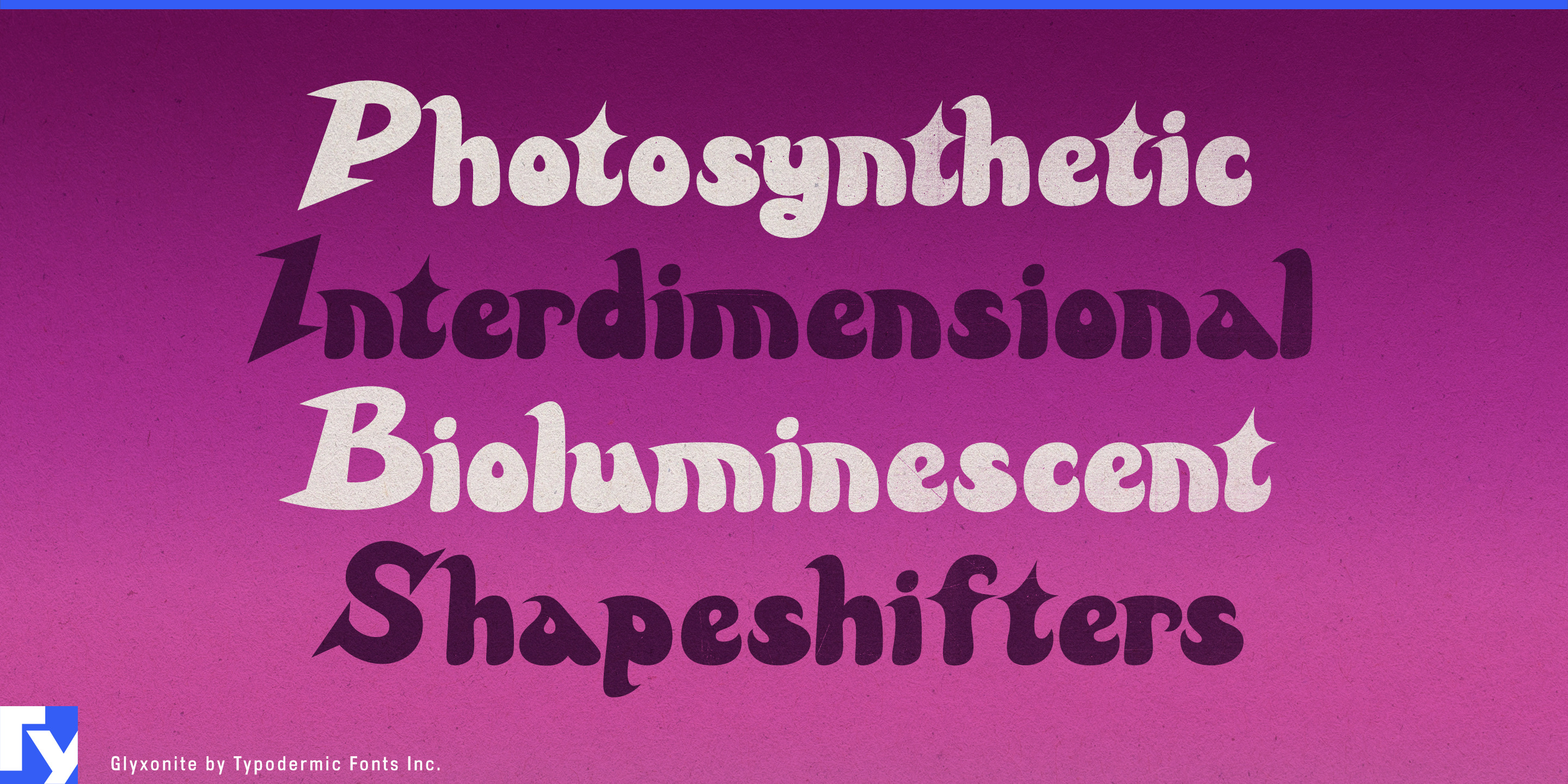
New materials increasingly blur the line between things that are engineered and things that are grown. Yet the typography used to present them usually forces a choice between sterile technology and familiar nature branding. Glyxonite occupies the space between those languages. Its flowing, swollen forms can feel biological, while abrupt cuts and angular interruptions keep the structure from becoming soft or botanical.
Biofabricated materials provide an especially strong setting. Mycelium composites, algae-derived textiles, fermentation-produced materials and bio-based leather alternatives need names that can look unfamiliar without slipping into pharmaceutical typography or eco clichés. Glyxonite can handle material-family names, sample-book covers, trade-fair walls, launch films and collaboration graphics while a restrained companion face explains composition, performance and manufacturing.
Synthetic color and next-generation textiles push the same idea further. Microbial pigments, bioengineered dyes, experimental fibers and materials whose color is produced through biological processes need a visual language capable of carrying both science and spectacle. Glyxonite can identify pigment families, textile collections, fashion-tech collaborations, swatch books and material-innovation exhibitions without making the project look like conventional laboratory equipment.
Astrobiology offers another version of the problem. Space typography usually describes machines: spacecraft, instrumentation and aerospace engineering. Planetariums, science centers and natural-history museums sometimes need to talk about something else entirely; exoplanets, ocean worlds, biosignatures and imagined alien ecosystems call for typography that can feel extraterrestrial without becoming another angular spaceship font. Glyxonite gives exhibition titles, planetarium programs and immersive environments a visual language for space as habitat rather than hardware.
Games and screen entertainment built around speculative ecology can use the same quality. Alien biomes, terraformed worlds, engineered organisms, strange oceans and evolutionary experiments need names for planets, species, regions, chapters and expansions. Glyxonite can handle those dramatic naming moments while a practical interface family carries menus and information.
Living materials and bio-design bring Glyxonite back into the physical world. Experimental pavilions, mycelium interiors, algae systems, grown acoustic materials and biologically derived building components can use it for project names, exhibition graphics, architecture-biennale installations and fabrication-lab presentations.
Glyxonite works best when the subject cannot comfortably be described as either natural or technological. Biofabricated materials, synthetic color, astrobiology and speculative ecosystems can use its flowing forms and engineered interruptions to make that contradiction visible before a line of explanation is read.
Get Glyxonite
Desktop licenses cover print, logos, and static graphics. MyFonts also offers embedding licenses for websites, e-books, and applications.
Commercial font facts
Family details
- First released
- 2023
- Styles
- 1 style
- Version
- 1.004
- Formats
- OTF
- Class
- Serif
- Form
- Geometric
- Case
- Mixed case
- Scripts
- Latin
- Role
- Display
Commercial style names (1)
- Regular